NOMOTO MEDIA
Title
Description
Articles, podcasts, films, stories, books, music and research.
CHAPTER 00 / THE WET SEAT
The seat is wet. It has not rained. Someone says the passenger was carrying an empty birdcage.
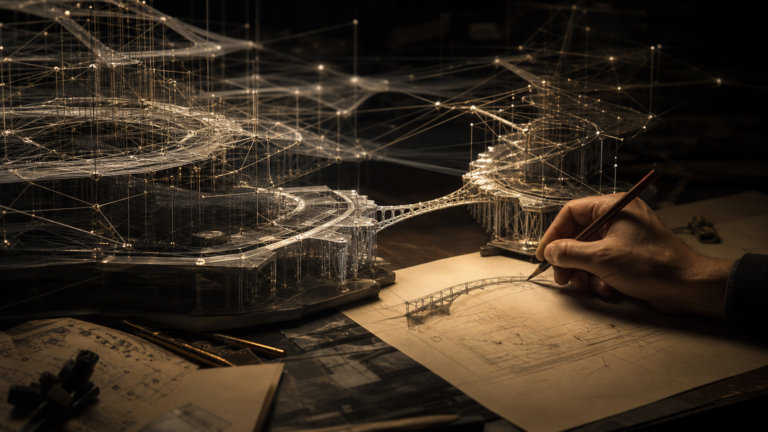
Prediction, relevance and the limits of machine understanding.
Read article →
Who can act when warnings arrive, and who has the power to stop harm?
Read article →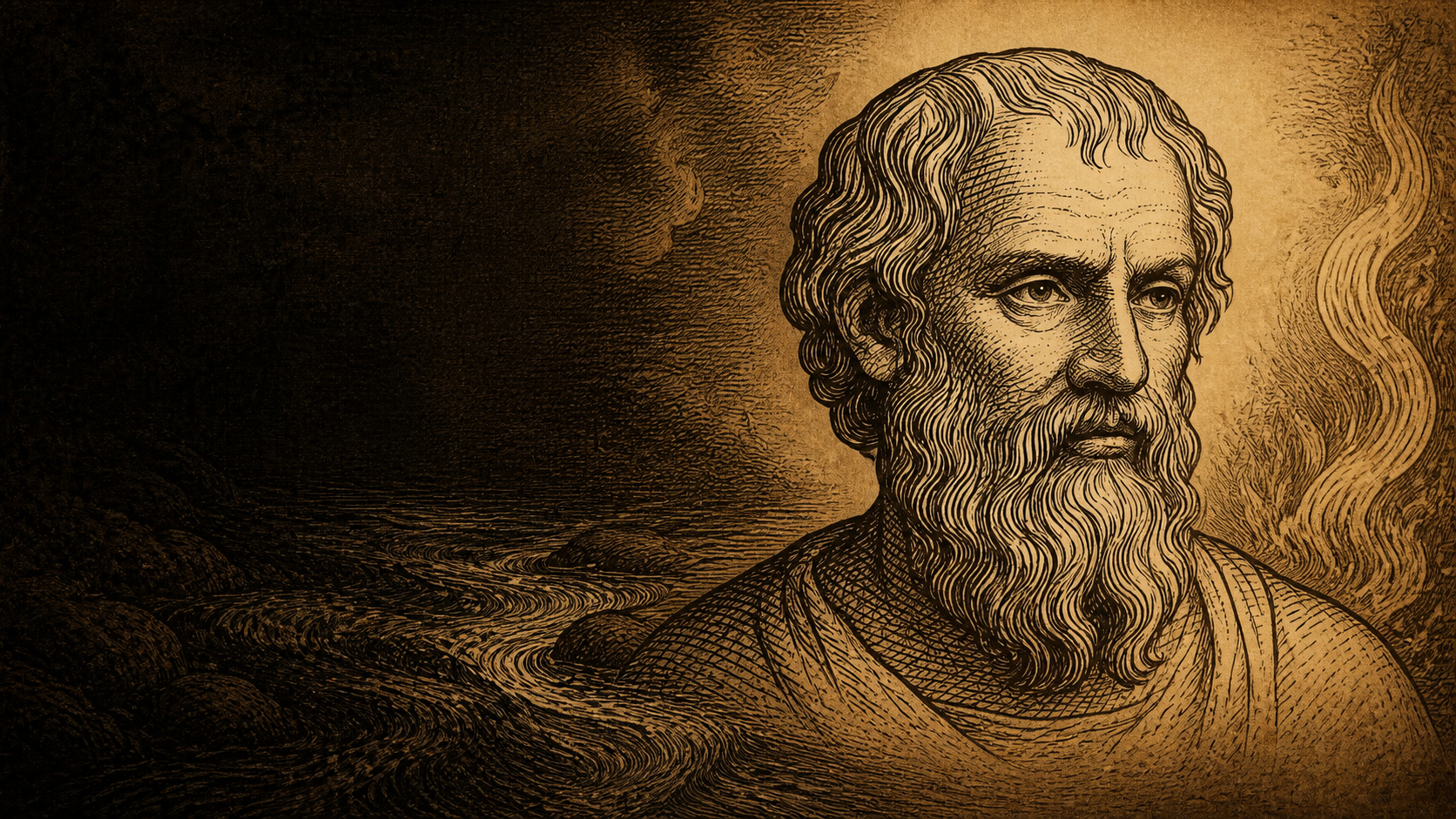
Change, permanence and the thought of Heraclitus.
Listen to episode →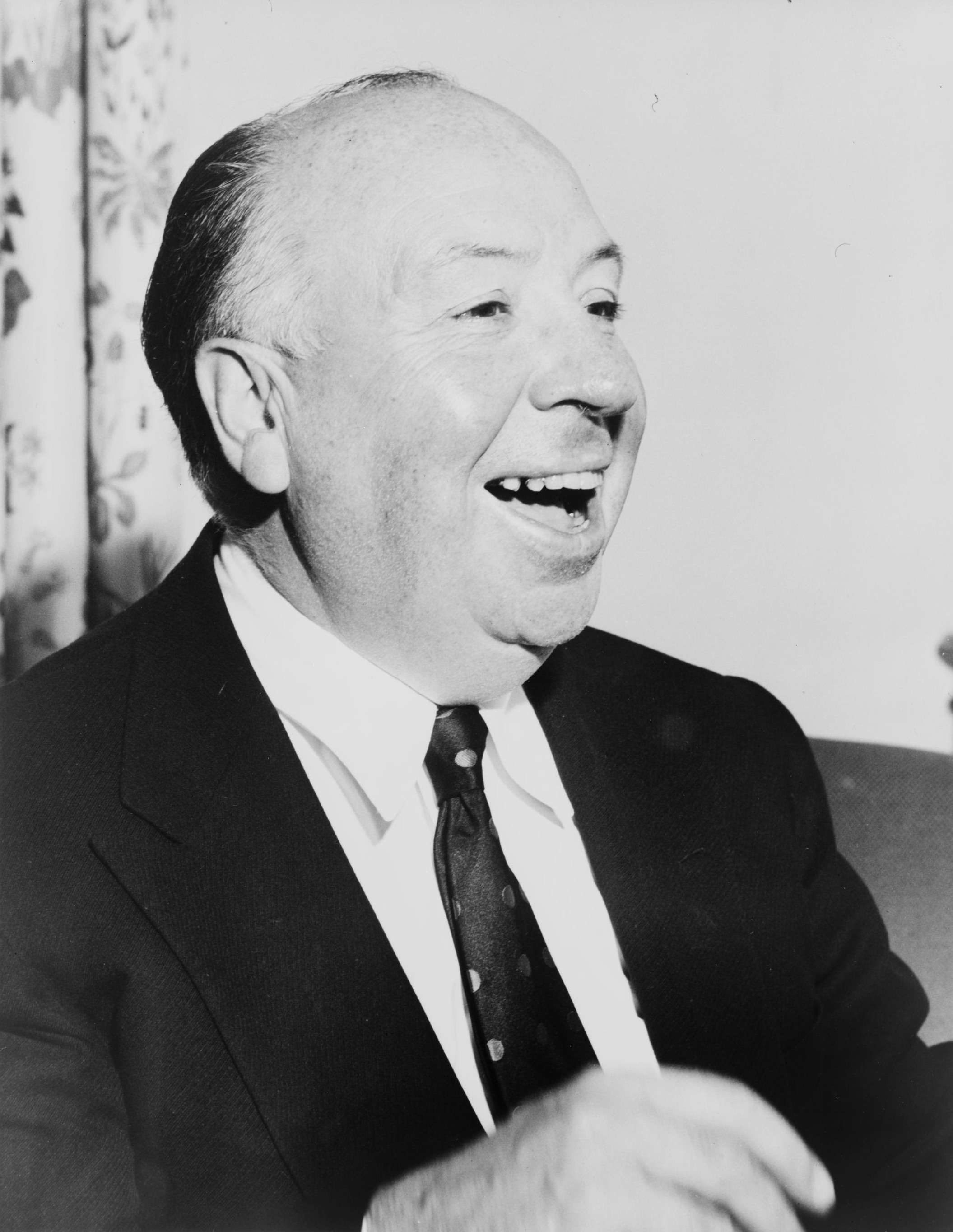
Hitchcock and the art of suspense.
Listen to episode →Watch a NOMOTO film, then explore connected work.
Watch film →
Thoughts and reflections by Niklas S. Osterman.
Read the book →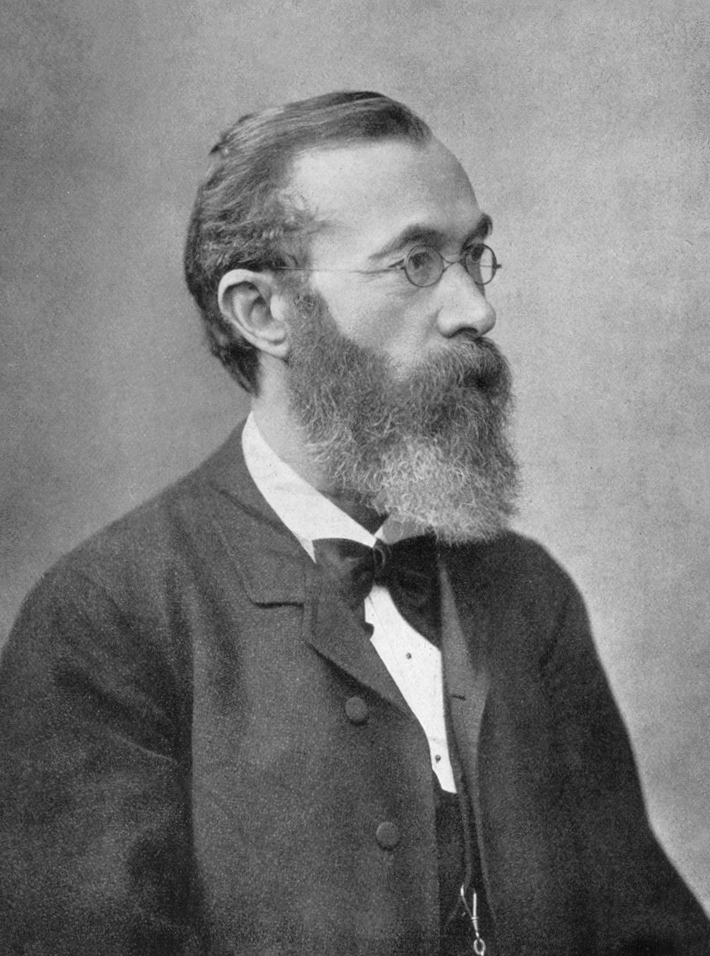
In this opening episode, we return to the late 19th century — to Leipzig, Germany — where a quiet re
Listen to episode →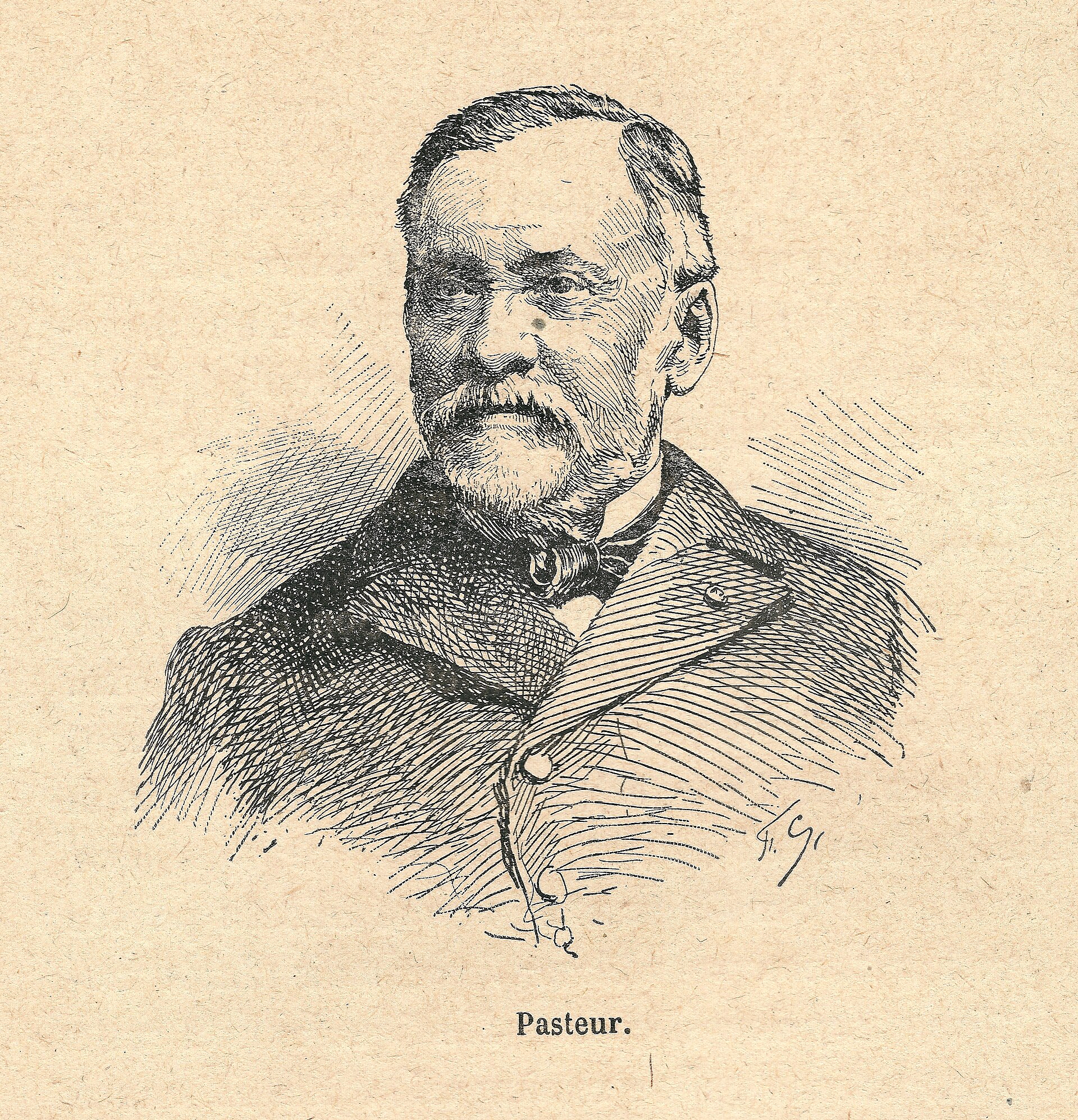
Today we unlock a laboratory door in Paris and a faint sweetness greets us—a broth of sugar and yeas
Listen to episode →
A man who measures every disappointment in pebbles tries to stay close to another person.
Read story →NOMOTO MEDIA / THE HUMAN CONDITION, AI & MORAL PHILOSOPHY