Ink or Bread. Human Contribution.
Most of what we call “normal life” is borrowed.
Borrowed language. Borrowed ideas. Borrowed tools. Borrowed laws. Borrowed moral instincts. Borrowed mathematics. Borrowed music. Borrowed medicine. Borrowed everything.
And the strangest part is how little we feel that debt.
We live inside a world that was built by human minds we will never meet, and we treat it like weather—like it was always here, like it simply arrived. We scroll across centuries without noticing the fingerprints. We speak sentences that were fought for. We inherit frameworks people bled into existence. We benefit from sacrifices we no longer even recognize as sacrifices.
That’s the ache behind what I’m trying to do.
Because my work—my podcasts on war, philosophy, the birth of the mind, art, AI, psychology, history—isn’t just “content.” It’s an argument. A nudge. A refusal to accept the modern trance that nothing matters unless it’s trending.
I’m trying to get people to feel the living chain again.
There’s a romantic story we tell about genius: the lone thinker, the bright mind, the breakthrough. It’s flattering because it makes greatness look clean. It makes history look like a highlight reel.
But the real story is harsher, and in a way, more sacred: many of the ideas that built our world were paid for with hunger, illness, loneliness, exile, ridicule, and a kind of interior pressure that broke people.
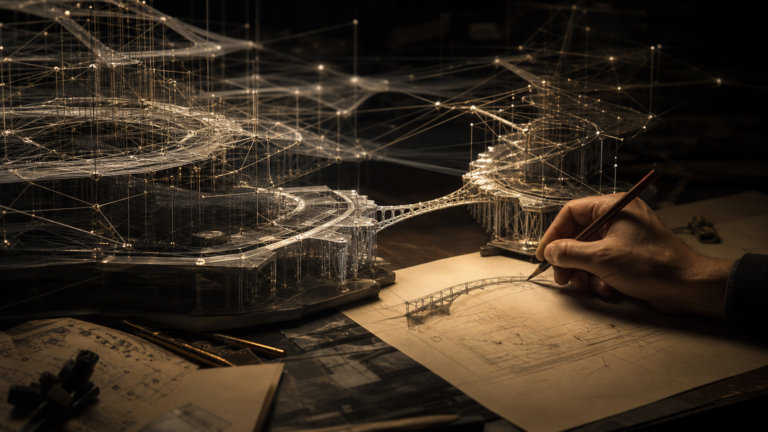
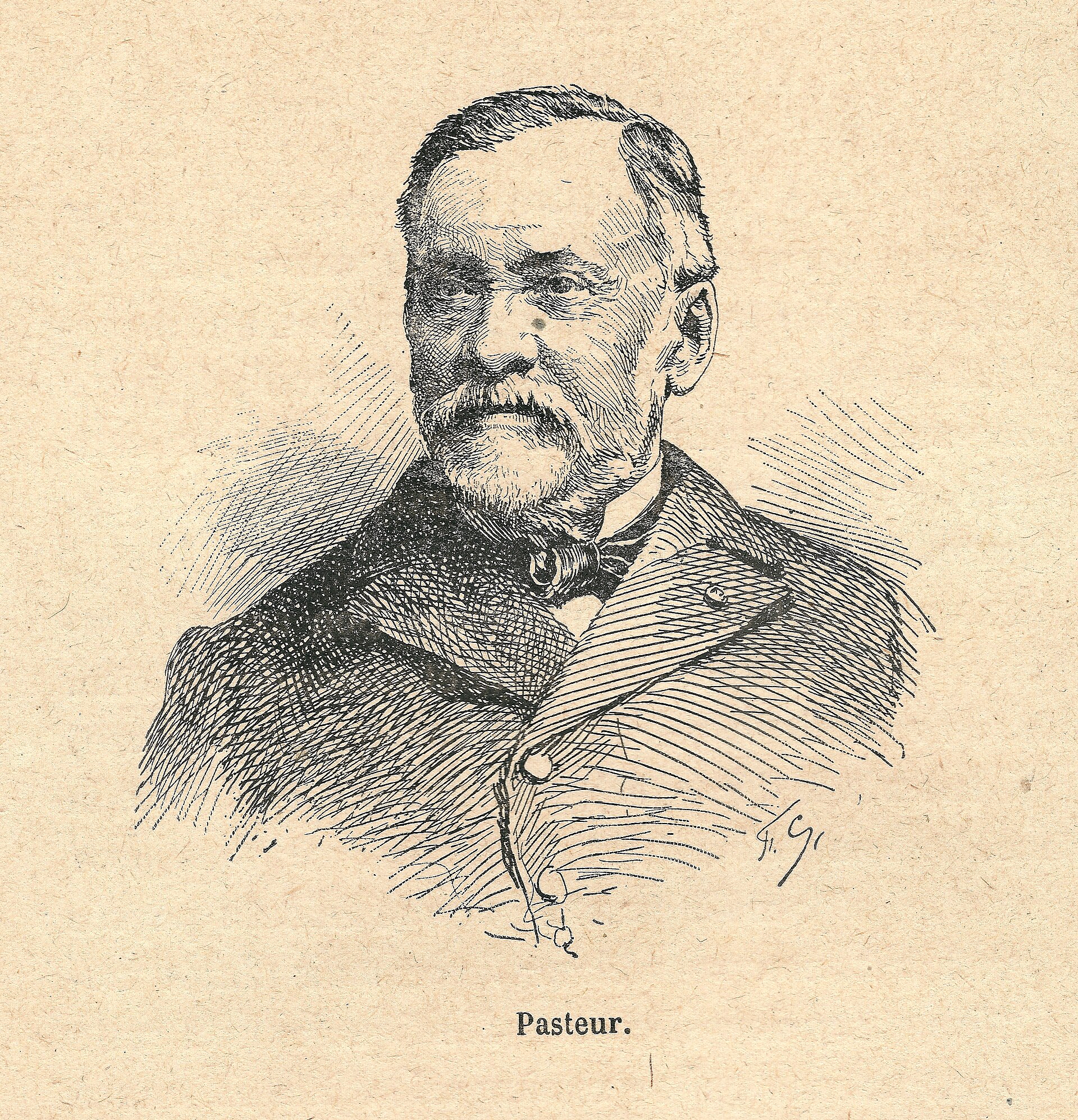
Some of them were choosing between food or ink—and they chose ink.
Not because they were naïve. Not because they were trying to be a legend. Because something in them wouldn’t let the question go. Something in them needed to say the thing, prove the thing, compose the thing, write the thing, even if it brought no reward.
Many died before anyone cared.
Many were dismissed as strange, or unstable, or dangerous, or simply inconvenient. Many carried mental anguish that would be medicalized today, pathologized, tranquilized—because a society that prizes comfort above truth will always find a way to silence the uncomfortable mind.
And yet we still live off what they left behind.
Think about what it means to be alive now.
You can flip a switch and summon light. You can press glass and speak across oceans. You can survive infections that once erased whole families. You can learn from the dead as if they were alive—books, recordings, archives, essays, letters. You can hold the accumulated thought of centuries in your hand.
This is not normal. This is not “just progress.” This is a monument.
A monument built by people who often got nothing back. No applause. No security. No comfort. Not even understanding.
And it isn’t only the famous ones. For every celebrated name, there are ten thousand forgotten contributors: translators, teachers, scribes, builders, organizers, nameless experimenters, women and men erased by class and power and war and shame.
Civilization is a mass grave of uncredited labor.
That’s not cynicism. That’s reality. And it’s also a kind of miracle—because despite all the cruelty and waste, humans kept choosing to contribute.
They kept choosing to add something to the world.
Because we’re entering a time where the very idea of human contribution is becoming unclear.
AI can generate. It can remix. It can imitate. It can flood the world with plausibly coherent output. And it will make people ask, quietly at first and then openly: what was human creativity worth? What was effort worth? What was struggle worth?
If we don’t anchor ourselves to the human story, we’ll answer those questions like consumers, not like inheritors.
We’ll begin to treat thought as a commodity: cheap, infinite, replaceable.
And if thought becomes cheap, human life becomes cheaper with it.
This is why I care about philosophy. Why I care about war. Why I care about the “birth of mind,” about psychology, about art, about the long arc of ideas. Because those fields aren’t trivia. They’re the map of what we are. They’re the record of what humans have tried, what humans have done, what humans have paid.
Without that memory, we become easily led.
A society that forgets how its mind was built will hand its mind away.
Ignorance can be fixed. Indifference is a spiritual condition.
I’m not saying everyone needs to be an academic. I’m not saying everyone needs to read dense books, or memorize dates, or become “educated” in the status-game sense.
I’m saying we need to care again.
Care that the world we live in was carved out of human lives.
Care that the freedoms we take for granted were argued into existence by minds that were punished for arguing.
Care that science is not a list of facts but a cemetery of people who were willing to be wrong, publicly, repeatedly, so that truth could inch forward.
Care that every idea we inherit was once fragile—carried by a single person who could have chosen comfort instead.
And often didn’t.
I make these podcasts because people need a doorway back into that seriousness—but without being preached at.
We’re tired. We’re overwhelmed. We’re flooded. Nobody wants another lecture. But storytelling can do something lectures can’t: it can make a human being visible again.
It can restore a face to an idea.
It can show what it cost.
When you understand what it cost, you stop treating it like disposable content. You stop treating history as background noise. You stop treating thought as decoration.
You begin to understand that the modern world is not free. It is paid for.
And that payment is due again, always, because civilization is not a thing we “have.” It’s a thing we keep making—or we lose.
So here’s the question I’m really asking, under all of it:
What is the value of human contribution if we no longer care about the contributors?
What is the value of thought if we treat it like entertainment?
What is the value of the past if we use it only as content, not as inheritance?
If we can’t answer that, then the future—AI future, political future, cultural future—will not be guided by wisdom. It will be guided by whoever controls attention.
And attention, without memory, becomes a weapon.
The people who built our world did not know we would exist. They could not imagine our screens, our abundance, our speed. But they made the world anyway. They wrote. They composed. They experimented. They translated. They fought. They failed. They kept going.
They chose ink.
Not because ink was profitable. Because ink was a way of refusing to let the human mind vanish without leaving a trace.
That refusal is the real inheritance.
And if we can’t learn to care about it—if we can’t pass it on—then we don’t just lose history.
We lose the part of ourselves that makes us worth saving.
Return to Transit