Peter Brook – The Empty Space
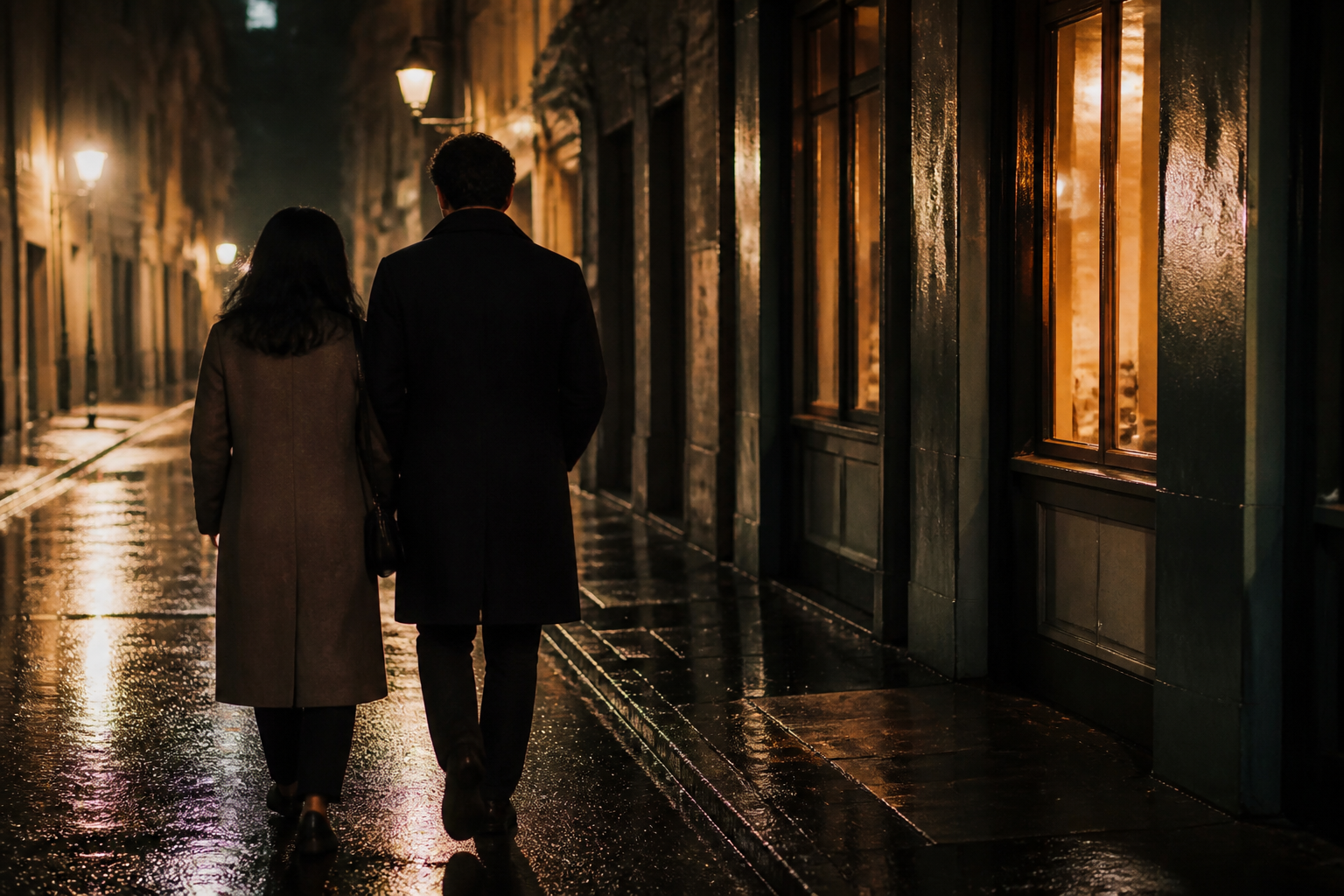
Picture an empty stage – just a bare space. Now imagine someone walks across that space while someone else watches. “That is all that is needed for an act of theatre to be engaged,” wrote Peter Brook . This simple yet radical idea guided Brook, one of the 20th century’s great directors. He sought the essence of theatre beyond all ornament. Brook famously declared: “I can take any empty space and call it a bare stage” . For him, theatre was a living encounter that could happen anywhere, unhindered by convention or clutter.
Brook’s 1968 book The Empty Space defined four modes of theatre – the Deadly, the Holy, the Rough, and the Immediate . Deadly Theatre was what he rebelled against: boring, conventional productions done out of habit for comfortable audiences . This was theatre as a lifeless museum piece, full of “stuffy productions… done conventionally for conservative audiences” . Against that Deadly norm, Brook posed the idea of Holy Theatre – theatre that strives for a kind of transcendence, where performers and viewers alike touch the mysterious or sacred . Then there was Rough Theatre, the raw, energetic, populist strain – he loved how theatre could thrive in rough-and-tumble settings, even a makeshift show in a bombed-out ruin, with minimal props and maximum spirit . And finally Immediate Theatre, a more elusive concept of theatre that is fully alive in the present moment, immediate and transformative. These categories weren’t rigid; they were provocations. Brook was urging theatre-makers to shake off complacency and find authentic connection.
In practice, Peter Brook was a restless experimenter. In the 1950s and 60s he made his name in London, directing productions that became legend. With the Royal Shakespeare Company (RSC), he staged Shakespeare in startling new ways. For example, his “King Lear” (1962) with Paul Scofield was bleak and elemental – a gray, storm-swept landscape of a production that brought out the play’s raw despair. A few years later, he flipped expectations with “A Midsummer Night’s Dream” (1970), designing it like a bright circus – actors on trapezes, an all-white minimalist set, brimming with playful energy . Audiences were astonished that Shakespeare could be reimagined so freely. Brook showed that classic texts weren’t sacrosanct relics; they were living clay to be molded into fresh experiences.
Perhaps his most notorious achievement was “Marat/Sade” (1964), a play by Peter Weiss that Brook directed to shocking effect. The full title was a paragraph long, promising the persecution of Jean-Paul Marat by the Marquis de Sade, performed by asylum inmates – and Brook delivered on that insanity. He created a visceral spectacle where actors playing lunatics acted out revolution and murder with unhinged abandon. It was violent, erotic, and confrontational. One reviewer said it was like a bomb had gone off in the British theatre scene. Brook’s Marat/Sade “launched the fringe and alternative theatre” movement in Britain , bringing European avant-garde ideas crashing into English stages. It proved that theatre could still shock society and speak to current events – in this case, the play’s chaos echoed the social revolutions of the 1960s (Brook’s team explicitly connected it to contemporary unrest like the Arab Spring, decades later, in revival】 ).
Despite such successes, Brook grew dissatisfied with institutional theatre. He had co-founded the RSC, but as one obituary noted, “Peter Brook set himself up to run away” from the big theatres . In 1970, after Dream, he left Britain and settled in Paris at a dilapidated theatre called Les Bouffes du Nord. There he pursued long, experimental projects with an international group of actors. He took his troupe across Africa to learn from oral storytellers and local performance traditions. This led to works like “The Conference of the Birds” (a stage adaptation of a Sufi poem) and, most famously, “The Mahabharata” in the 1980s – a 9-hour epic drawn from the Indian Sanskrit epic, performed with a multicultural cast. Brook was trying to find a universal language of theatre, beyond any one culture or style. If anyone embodied global, avant-garde theatre in the late 20th century, it was Brook.
For all his high-minded quests, Brook was also utterly practical about theatre’s effect on people. He believed theatre should wake us up. It should surprise and even provoke. If he had you laughing one moment and disturbed the next, he was happy – he had broken through your defenses. In his later years, he stripped things down even further. Audiences might show up to find only a few rugs on the floor and actors inches away (no stage, no seating hierarchy). He wanted to recover the intimacy and risk of theatre as shared space.
Brook lived to 97 (he died in 2022), constantly searching. His influence is everywhere – every modern director who uses minimalism or seeks cross-cultural collaboration owes a nod to Brook. His book The Empty Space is still “the seminal text of modern theatre” , read by students worldwide. Yet Brook himself remained humble about theatre’s power. He saw it as fragile – a “flame” that each generation must keep alive .
Brook’s enduring challenge to us is encapsulated in a question: What is left when we have an empty space? If we take away the expensive sets, the preconceived notions, the safety nets – will theatre still hold us? Brook’s life answered yes, again and again, with a dazzling variety of proofs. But he passes the question to the future: Can we, both performers and spectators, meet in an empty space and create truth together, here and now? If we can, that empty space might not be empty at all – it might be filled with infinite possibility.
Return to Transit